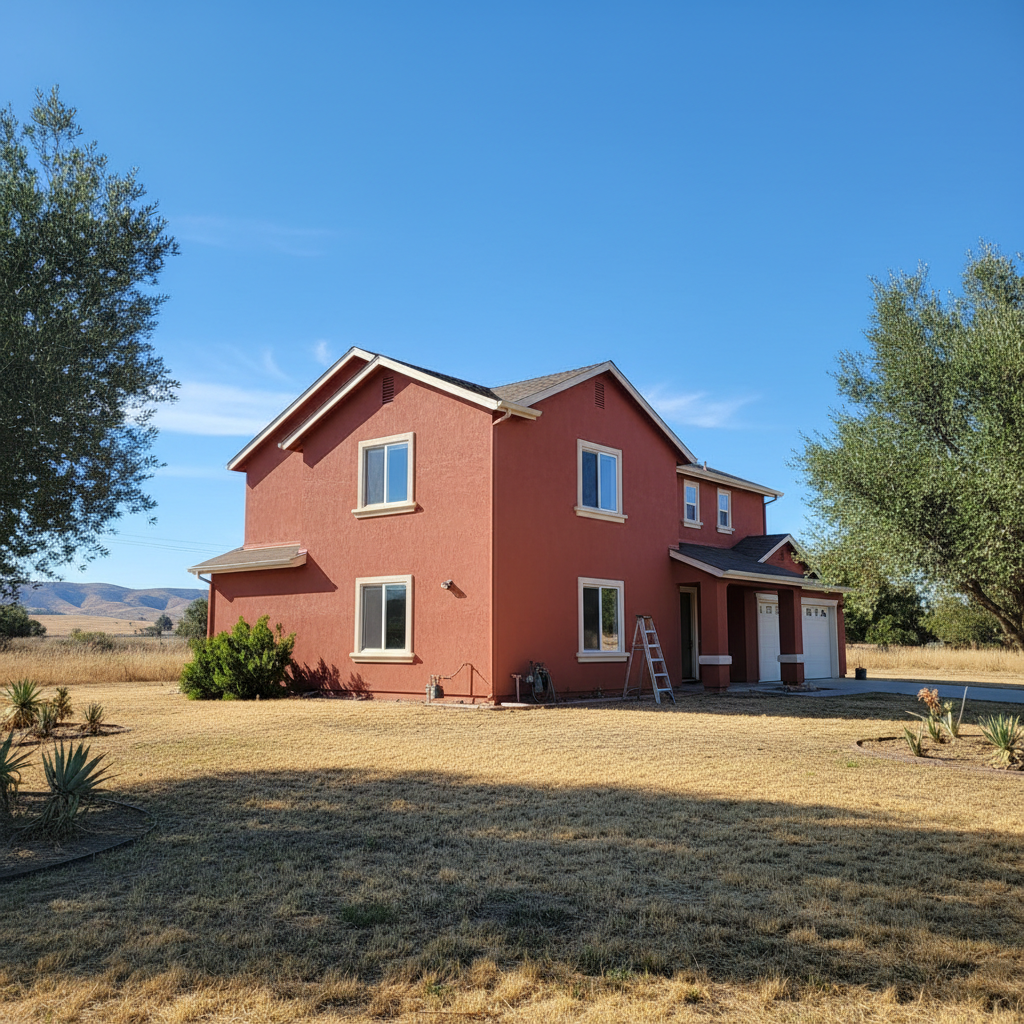
So, you're thinking about giving your home's stucco a facelift, maybe a redash? That's a smart move. A fresh stucco finish can really boost your curb appeal and protect your home for years. But I've seen too many folks in Visalia make some pretty common mistakes that turn what should be a straightforward project into a real headache. As a local guy who's been doing this for a long time at Visalia Stucco & Plastering, I want to share what to watch out for so you don't end up regretting your decision.
Mistake #1: Skipping the Substrate Inspection
This is probably the biggest one, and honestly, it's a huge red flag if a contractor doesn't insist on it. A redash isn't just slapping new stucco over old. It's about making sure the foundation for that new stucco is sound. I'm talking about the existing stucco, the lath, the sheathing underneath – everything. We've got older homes all over Visalia, especially in neighborhoods like the Oval Park area, where the original stucco might be 50, 60, even 70 years old. It's seen its share of hot summers and wet winters, believe me.
If there's any water damage, rot, or structural issues hiding under that old stucco, simply redashing over it is like putting a band-aid on a broken leg. The new stucco won't stick right, you'll see cracks pop up again quickly, and the underlying problem will just keep getting worse. A good contractor will tell you they need to check the existing conditions. They might even do some small exploratory openings if there are suspicious spots, all before giving you a solid quote for a redash. If someone just eyeballs it from the curb and gives you a price? Be very, very wary.
Mistake #2: Not Understanding the 'Why' Behind the Redash
Why do you want a redash? Is it just for looks? Or are you seeing cracks, discoloration, or maybe even some soft spots? Knowing the 'why' helps both you and your contractor figure out if a redash is truly the right solution. Sometimes, a full tear-off and re-stucco job actually makes more sense in the long run. That's especially true if you've got extensive damage or an outdated system, like some of those older, less durable stucco applications. I've had conversations where a homeowner thought a redash would fix everything, but after a thorough inspection, we found significant dry rot around windows or foundation issues. A redash wouldn't have touched those. You need an honest assessment, not just someone telling you what you want to hear.
Mistake #3: Focusing Only on the Lowest Bid
Look, I get it. Everyone wants to save a buck. But when it comes to something as important as your home's exterior, the cheapest bid often comes with hidden costs later on. I'm not saying you need to pick the most expensive guy, but you definitely shouldn't automatically go with the lowest. What are they cutting corners on? Are they using quality materials? Are they properly licensed and insured? Do they have a good track record and local references?
In Visalia, we deal with some pretty intense sun and temperature swings. You need materials that can stand up to that, and a crew that knows how to apply them right. A low bid might mean:
- Using cheaper, less durable stucco mixes.
- Not properly preparing the existing surface (which, as we discussed, leads right back to Mistake #1).
- Skipping important steps like proper flashing around windows and doors.
- Hiring inexperienced or uninsured workers.
Ask for a detailed breakdown of the quote. If it's just a single number, that's a problem. You want to see line items for materials, labor, prep work, and cleanup. A reputable contractor won't have an issue providing that kind of transparency.
Mistake #4: Not Checking Licenses, Insurance, and References
This one seems obvious, but you'd be surprised how many people skip it. Before anyone touches your home, you need to check a few things:
- Contractor's License: Make sure it's current and valid with the CSLB (Contractors State License Board). You can look it up online. If they don't have one, or it's expired, walk away. Seriously.
- Insurance: They need general liability insurance to protect your property and workers' compensation insurance to protect their employees. If someone gets hurt on your property and they're not covered, you could be on the hook. Ask for certificates of insurance directly from their insurance provider, not just a copy from the contractor.
- References: Ask for at least three recent customers you can call. And actually call them! Ask about the contractor's communication, timeliness, quality of work, and if they'd hire them again.
It sounds like a lot of homework, but we're talking about your biggest investment here. Taking these steps can save you a world of trouble down the line.
Mistake #5: Ignoring the Details of the Finish
A redash isn't just about color; it's about texture and how it blends with your home's style. There are so many different stucco finishes out there – smooth, sand, dash, lace, worm, Santa Barbara, and more. A good contractor will show you samples, talk about the pros and cons of each, and help you choose something that not only looks good but also suits your home's architecture and your personal taste. Don't just pick a color from a small swatch. Ask to see examples of their work with different finishes, maybe even drive by a few completed projects. That's always a good idea.
Also, don't forget about trim and accent areas. Are they going to be painted? Stuccoed? How will the new stucco meet existing windows, doors, and other architectural features? These small details can make a huge difference in the overall finished look. Make sure these are discussed and clearly outlined in the proposal.
Getting a stucco redash done right means doing your homework and choosing a contractor who values quality and transparency. Don't rush into it, and don't be afraid to ask tough questions. Your home deserves it.