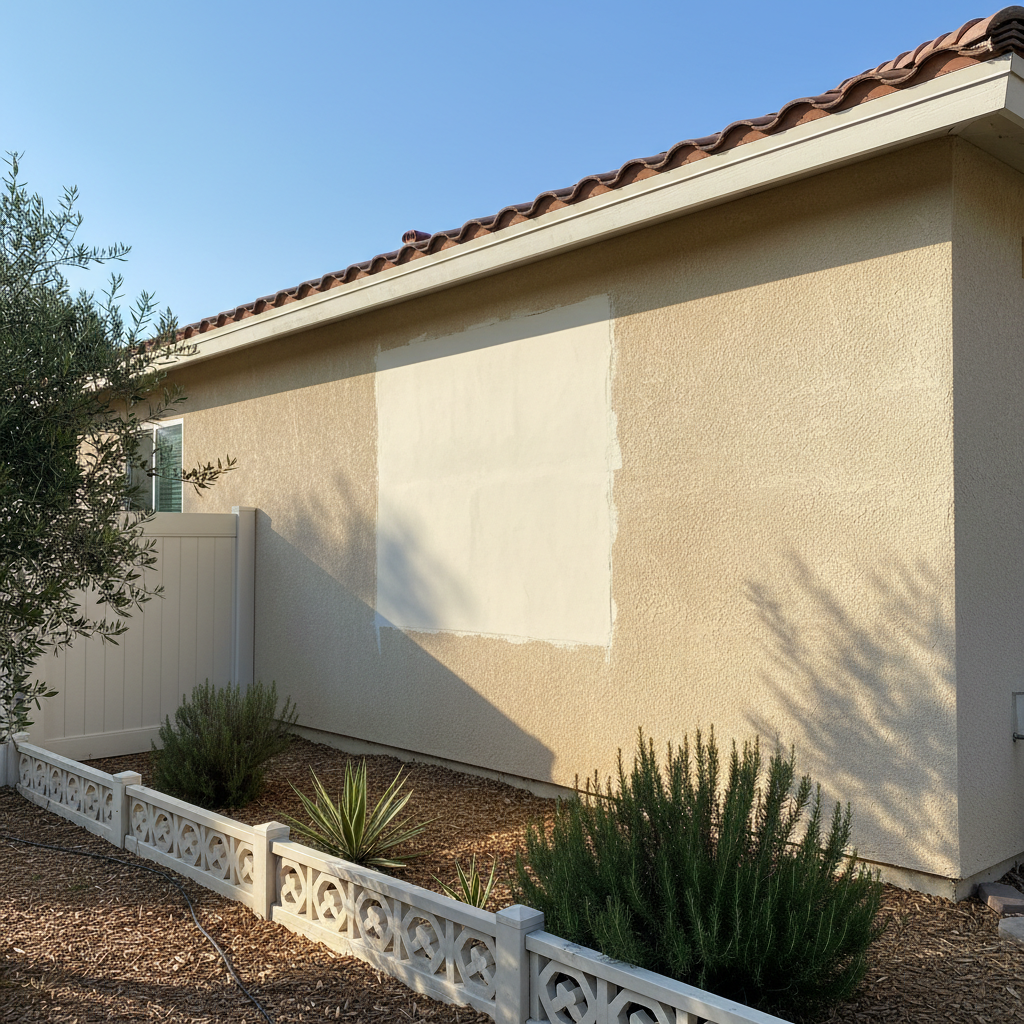
So, You Just Got Your Stucco Fixed. Now What?
You've put money into getting your stucco repaired. Maybe Visalia Stucco & Plastering even did the work for you. That's fantastic! But getting it fixed isn't the whole story. Think about it: you wouldn't just forget about a new roof or a fresh coat of paint, would you? Good maintenance is what makes that repair last. It protects your home and keeps your wallet safe from future headaches. We're talking about making that repair work go the distance, keeping your house looking good, and avoiding bigger, more expensive problems down the road.
Regular Maintenance: It's Simpler Than You Think
You don't need to be a stucco guru to keep an eye on things. Most of what I suggest is just plain common sense and paying a little attention a couple of times a year. Here's what you should be doing:
Clean it up: Stucco can get pretty dirty, especially with all that Central Valley dust and our occasional rain. Usually, a gentle wash with a garden hose and a soft brush does the trick. For tougher spots, a little mild detergent (like dish soap) mixed with water can work wonders. Just be sure to rinse everything really well. And please, avoid high-pressure washers; they can actually damage the stucco surface, particularly if it's older or has tiny cracks.
Inspect your caulk: This is a big one. Caulk around windows, doors, and where stucco meets other stuff (like trim or your foundation) is your main defense against water. Our hot, dry Visalia summers, followed by cooler, sometimes damp winters, can really make caulk get brittle and crack. Check it regularly, especially after a long, hot spell. If you spot cracks or gaps, re-caulk it. It's a cheap fix that stops expensive water damage.
Keep an eye on your gutters and downspouts: Make sure they're clean and sending water away from your house. Gutters that overflow or downspouts that just dump water right next to your foundation are absolutely terrible for stucco. All that extra moisture can seep into the wall system, leading to rot, mold, and eventually, stucco failure.
Trim back vegetation: Bushes, trees, and vines growing right up against your stucco can trap moisture. They also block sunlight, which helps dry out the wall, and can even physically damage the surface over time. Give your stucco some room to breathe.
Warning Signs: Don't Ignore These Red Flags
Your stucco will usually tell you when something's off; you just need to know what to look for. Catching these early can save you a ton of trouble:
Hairline cracks: A few tiny, spiderweb cracks are often just on the surface and part of stucco's natural aging process. Keep an eye on them. If they start getting wider, longer, or form a clear pattern, that's a problem. Pay special attention to cracks running horizontally or diagonally from window and door corners – that often points to structural movement or water getting in.
Stains and discoloration: Dark streaks, especially below windows or near the roofline, usually mean water is finding its way in somewhere. Green or black spots? That could be mold or mildew, another sign of trapped moisture. If you see rust-colored stains, that might mean metal lath or fasteners behind the stucco are rusting, which is definitely not a good sign.
Bulging, crumbling, or soft spots: This is a really serious red flag. If the stucco feels soft when you push on it, or if you see areas where it's bubbling, pushing outwards, or breaking away, you've got water damage. This means the stucco has lost its grip on the wall, and the sheathing underneath is probably compromised. What a mess!
Efflorescence: This is that white, powdery stuff you sometimes see on stucco. It's mineral salts left behind when water evaporates from the wall. It means water is getting into the stucco and then drying out, leaving those salts. While it won't immediately damage things, it's a clear signal of a moisture problem that needs to be checked out.
When to Call a Professional (Like Us)
Look, I'm all for doing things yourself, but some jobs are just better left to the pros. If you see any of those serious warning signs – widespread cracking, big stains, bulging, or crumbling – it's time to call someone who really knows stucco. Don't wait until it's a full-blown emergency. The longer you put it off, the bigger and more expensive the repair will be.
You should also call a professional if you're just not sure what you're looking at. Sometimes a small issue can hide a much larger problem, believe me. We've seen everything, from little cosmetic fixes to huge water damage that's been brewing for years. We can accurately figure out the problem, explain what's happening, and give you solid advice on the best way to fix it. Here in Visalia, especially with some of the older homes in spots like the historic downtown or around Mooney, you've got different stucco types and construction methods, and a pro can tell you exactly what your house needs.
Taking care of your stucco isn't just about how good your house looks; it's about protecting its structure and value. A little proactive maintenance goes a long way toward keeping your stucco healthy and your home safe from the elements.